Dendritic Cell Vaccine Therapy: Insights from Dr. Yoichi Kato, Immunotherapy Specialist
The Role of Dendritic Cells: Commanders of the Immune System
In the human body, monocytes are produced in the bone marrow, travel through the bloodstream, and develop into dendritic cells in locations such as the lymph nodes. Serving as the “command center” of our immune system, dendritic cells collaborate with various lymphocytes to identify and combat foreign invaders, including viruses. Thanks to this coordinated immune response, we can continuously fend off new pathogens and maintain our health.
For instance, once you catch a cold, dendritic cells can record the identity of the virus. Even if your family members later contract the same strain, you may stay protected from reinfection. Because young children’s dendritic cells are not fully mature and older adults experience a decrease in dendritic cell quantity, children are more prone to infections, while seniors are at higher risk for malignancies.
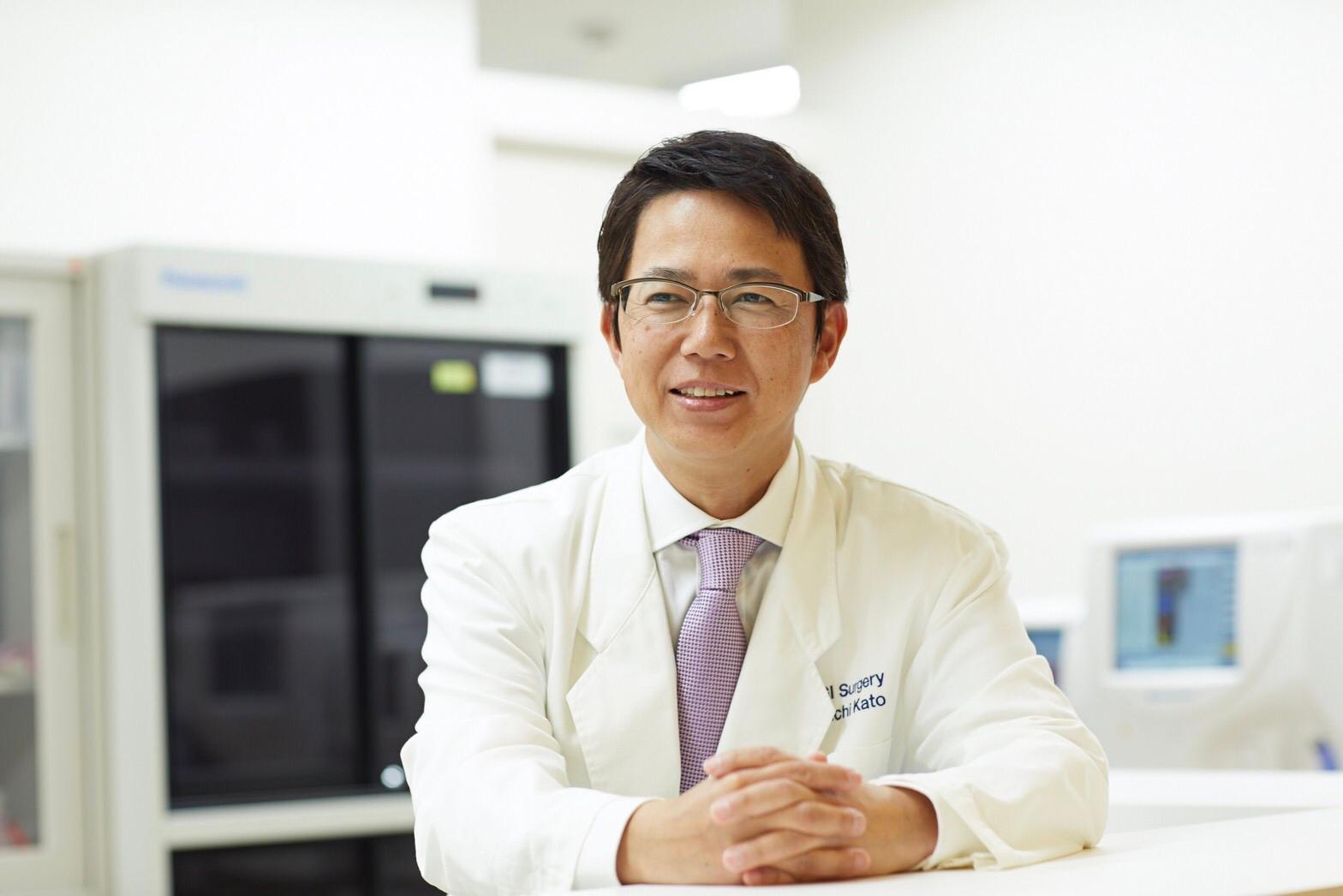
Dr. Yoichi Kato
A Revolutionary Prospect: Harnessing Dendritic Cell Function
If we learn to direct or activate dendritic cells effectively, the potential to treat and even prevent various diseases becomes feasible. By administering dendritic cell vaccines early in life, we may ward off infections and malignant cells. For adults over thirty, regular vaccinations could maintain the lower incidence of serious diseases typically seen in younger populations. Malignancies often arise when the immune system fails to fully recognize abnormal cells, whereas autoimmune diseases occur when the immune system mistakenly treats healthy cells as enemies.
Today, researchers can cultivate dendritic cells in laboratories, equip them with critical therapeutic information against specific diseases, and reintroduce them into the body for targeted treatment. Our medical experts stand at the forefront of this groundbreaking therapy, determined to usher it into mainstream clinical practice.
Obtaining Dendritic Cells from the Human Body
From Initial Setbacks to Breakthroughs
Earlier studies that used only about 50 milliliters of blood to induce dendritic cells saw limited results. Consequently, researchers were initially discouraged. When they increased the blood volume collected to about 5,000 milliliters—close to a person’s entire circulating blood volume—the number of cultivated dendritic cells expanded a hundredfold, and measurable therapeutic benefits emerged.
Apheresis Procedure
Apheresis is performed by extracting around 50 milliliters of blood per minute, isolating about 1 milliliter of liquid containing a high concentration of monocytes, and immediately returning the remaining 49 milliliters to the body. This cycle repeats until sufficient monocytes are collected. In a controlled laboratory environment, these monocytes are then exposed to growth factors such as GM-CSF (Granulocyte-Macrophage Colony-Stimulating Factor), IL-4 (Interleukin-4), and TNF-α (Tumor Necrosis Factor-Alpha) to promote differentiation into immature dendritic cells. Next, peptides or other antigens are introduced, prompting the dendritic cells to mature and acquire “memory” against tumor cells. These activated dendritic cells are then administered back to the patient through multiple injections over several weeks, typically weekly or bi-weekly, subject to the physician’s assessment.
Outline of the Therapeutic Process
1. Apheresis – Employ specialized cell separation techniques to collect monocytes.
2. Cultivation & Differentiation – Introduce growth factors to guide monocytes into immature dendritic cells.
3. Maturation & Activation – Expose immature dendritic cells to specific antigens, so they develop a precise response against target cells.
4. Injection – Reintroduce the mature dendritic cells into the patient’s body, in multiple sessions, to sustain an effective immune response.
This therapy requires oversight from a specialized medical team and is tailored to each patient’s condition.
Accessing Treatment with Dr. Yoichi Kato
The Asia Immunotherapy Center in Tsim Sha Tsui, Hong Kong, collaborates closely with Dr. Yoichi Kato. Patients can simply submit their medical records to the center, which will handle translation and coordinate consultations with Dr. Kato. Once a treatment schedule is in place, detailed information—including procedures, costs, and itinerary—will be provided without the patient needing to travel to Japan beforehand, allowing them to make fully informed decisions from the comfort of home.