Dendritic Cell (DC) Therapy
What Is Dendritic Cell (DC) Therapy?
Cancer cells are formed when the genes of normal cells become damaged. While our bodies create abnormal cells on a daily basis, dendritic cells (DCs)—the “commanders” of our immune defense—constantly detect and coordinate the elimination of these “invaders,” effectively preventing cancers and serious diseases. However, some mutated cancer cells are highly adept at disguising themselves and evading detection, eventually spreading and evolving into severe conditions.
Dendritic Cell (DC) Therapy involves collecting and “educating” a patient’s dendritic cells outside the body so they can once again recognize and attack these elusive cancer cells. By doing so, the therapy effectively boosts the body’s overall immune system to collaborate with other immune cells in eliminating cancer cells.
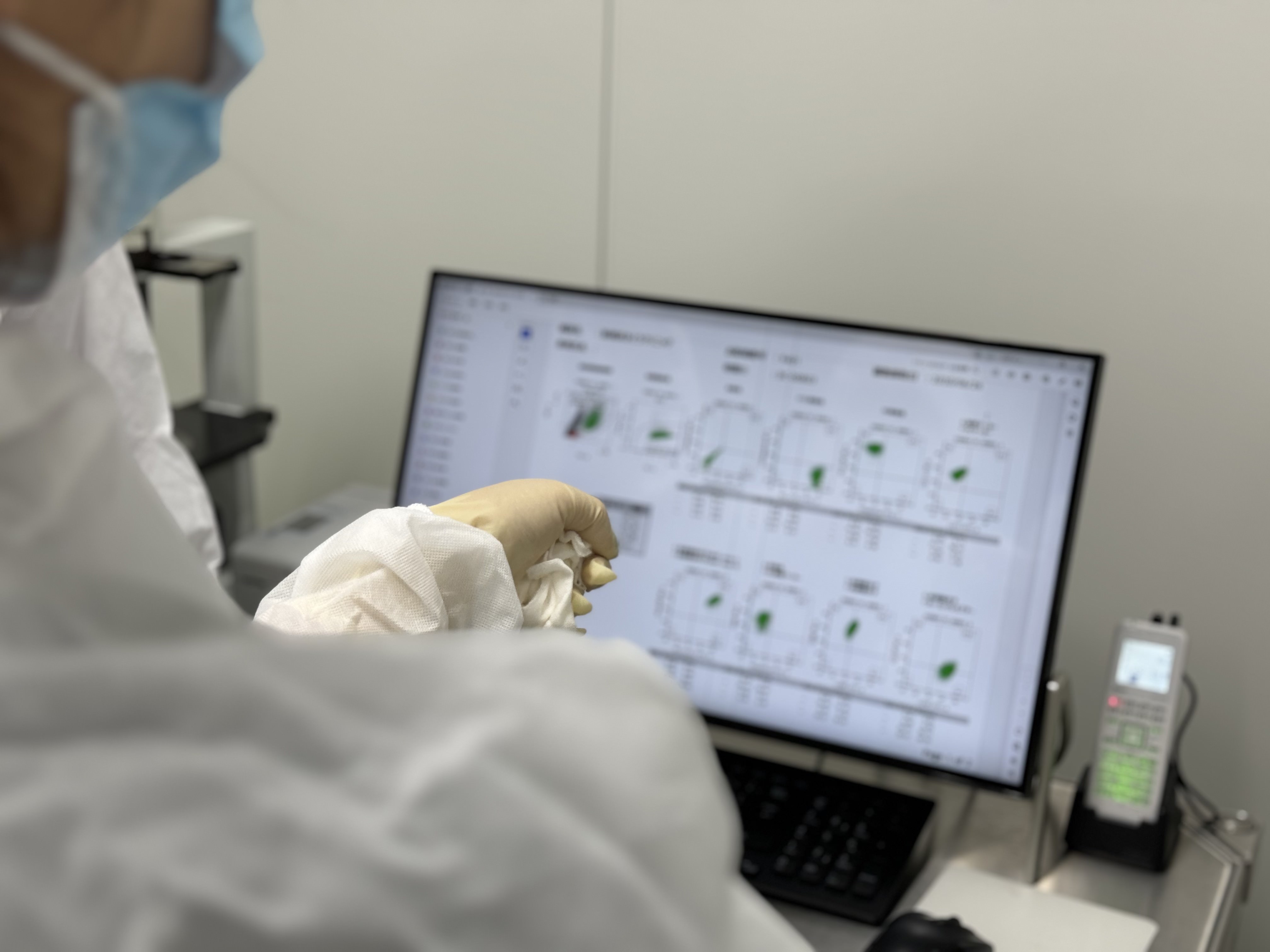
The Key to Immune Defense
Produced in the bone marrow, monocytes travel via the bloodstream to different parts of the body—including lymph nodes—where they transform into dendritic cells. These dendritic cells partner with lymphocytes to combat various external threats. Their close collaboration with other immune cells enables us to fend off newly arising dangers day after day.
Using the common cold as an example: when infected by a particular cancer cell, dendritic cells “memorize” the invader. Should the same cancer cell attempt to infect us again, the immune response is triggered faster and more effectively. Notably, because dendritic cells are still maturing during infancy and start to decrease again in older age, serious diseases and cancers often pose a higher risk among young children and the elderly.
A Breakthrough in Disease Prevention
Complete mastery over dendritic cell function could potentially reduce the incidence of cancers and numerous major illnesses. For instance, periodic DC vaccinations administered from infancy or after the age of 30 might effectively lower the risk of serious diseases and help maintain a higher level of health.
Autoimmune disorders, by contrast, often stem from the immune system “misjudging” what it perceives as threats. By cultivating dendritic cells under laboratory conditions and programming them to target specific diseases, we can harness these custom-tailored immune cells to treat numerous intractable conditions. Currently, healthcare professionals are merely at the starting line of applying and researching this groundbreaking therapy.
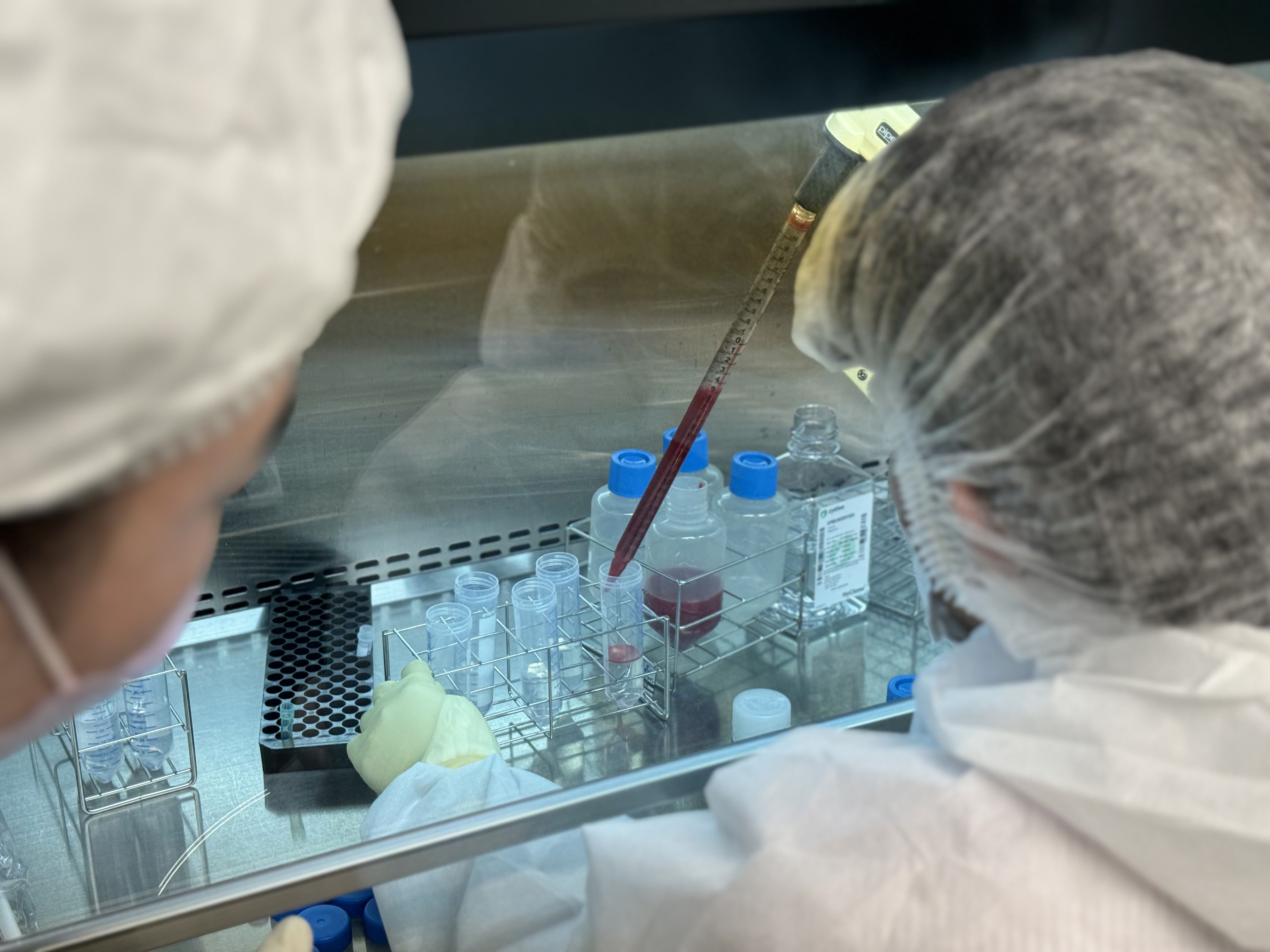
How Is DC Vaccine Therapy Conducted?
1. Blood Sampling
Monocytes are extracted from the patient’s blood.
2. Ex Vivo Cultivation
These monocytes are induced to become large quantities of dendritic cells, which are then given “cancer cell markers” so they can precisely recognize disguised cancer cells.
3. Activation and Reinfusion
Once the dendritic cells are fully “educated” and activated, they are formulated into vaccines and injected back into the patient’s body. Equipped with this new target profile, they direct the patient’s lymphocytes (T-cells) to seek out and destroy the cancer cells.
2011 Nobel Prize in Physiology or Medicine: Dr. Ralph M. Steinman
In 2011, Dr. Ralph M. Steinman was awarded the Nobel Prize in Physiology or Medicine for his discovery of dendritic cells. As early as 2007, he used DC vaccine therapy to treat his own late-stage pancreatic cancer, drawing the attention of the global medical community to autologous immunotherapy and establishing it as a major research frontier for tackling severe diseases.

Dr. Ralph M. Steinman
How Are Dendritic Cells “Educated” to Identify Cancer Cells?
Using a Patient’s Own Tissue
The physician can remove a tissue sample (about one square centimeter or more) from the patient. After processing, this tissue is transformed into an antigen marker and introduced into the cultured dendritic cells—enabling them to precisely identify the patient’s mutated cancer cells.
Using Japan’s “WT1 Peptide” Artificial Antigen
Japan leads the world in immunocellular technology, cancer treatments, and regenerative medicine. At the Shin-Yokohama Kato Clinic, Japanese-patented WT1 (Wilms Tumor 1) peptides are used as artificial antigens; no surgery is required. By adding WT1 peptides during the ex vivo cultivation, dendritic cells gain the ability to recognize cancer cells and launch precise attacks in the patient’s body. In 2009, the U.S. National Cancer Institute (NCI) analyzed and ranked 75 common antigens based on treatment efficacy, immunogenicity, and specificity. WT1 topped the list as the world’s premier artificial antigen, suitable for treating nearly all solid tumors.
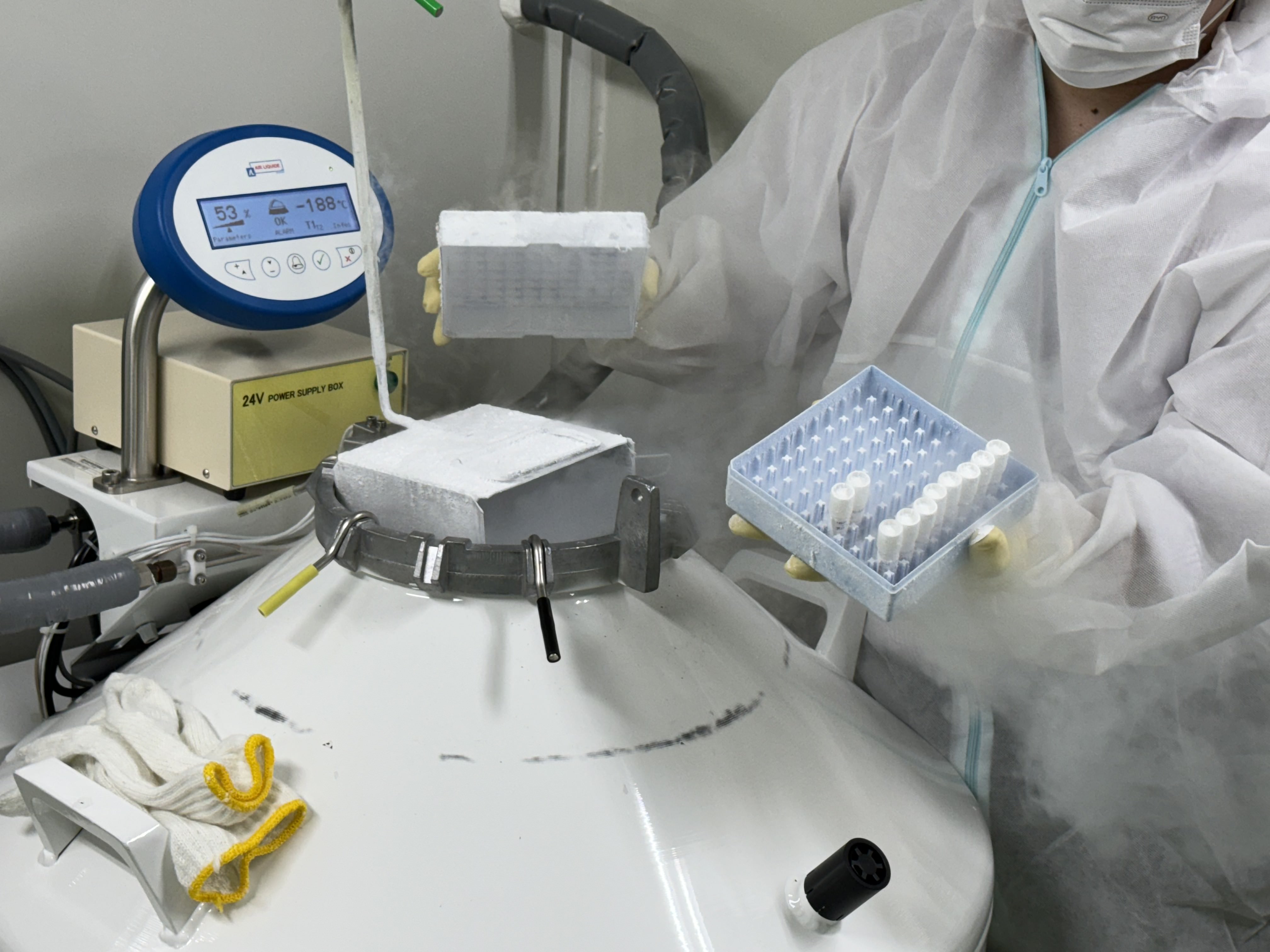
Advantages of Dendritic Cell Therapy
1. High Efficiency
Dendritic cells actively mobilize the immune system, joining forces with lymphocytes to circulate throughout the body and relentlessly pursue metastasized cancer cells.
2. Metastasis-Targeting
Conventional methods—e.g., chemotherapy or drug therapies—often fail to reach hidden cancer cells in the peritoneum, lymph nodes, bones, or other challenging locations. DC vaccines can be injected directly in or near these areas, quickly triggering a localized immune response.
3. No Drug Resistance
Since the therapy uses the patient’s own cells rather than external drugs, the recognition and eradication of abnormal cells can be sustained over an extended period without diminishing in effectiveness.
4. Recurrence Prevention
After dendritic and lymphocytes collaborate, those lymphocytes will “remember” the cancer cells' signature and remain in the body for long-term surveillance, thereby lowering the risk of recurrence.
5. Minimal Side Effects
Because the patient’s own immune cells target the diseased cells, healthy tissue is largely unaffected. Most patients experience only a low-grade fever or brief immune reactions, typically resolving within half a day.
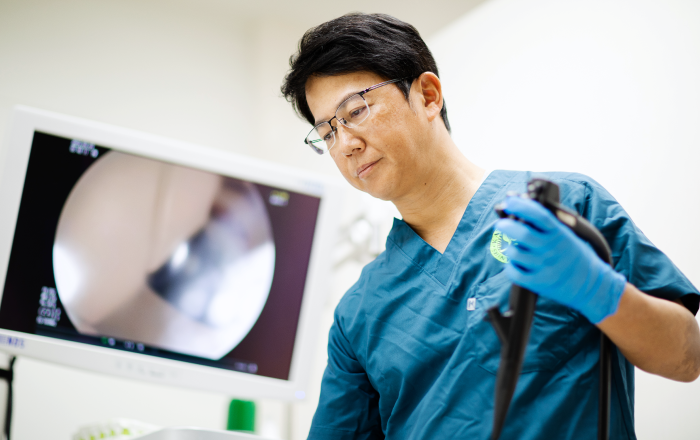
DC Therapy Procedure
1. Component Collection (Apheresis)
Specialized equipment separates monocytes from the patient’s blood while returning the remaining blood components. Typically, this takes around an hour to extract enough monocytes.
2. Culture and Differentiation
In the laboratory, monocytes are induced using growth factors (e.g., GM-CSF, IL-4, TNF-α) to become immature dendritic cells.
3. Maturation and Activation
Immature dendritic cells are then combined with specific antigens (such as WT1 peptides or patient-derived tumor tissue), along with multiple cytokines, to simulate an in-body environment. This process matures and “activates” them into attack-ready dendritic cells.
4. Reinfusion
Mature dendritic cells are reintroduced to the patient—often via subcutaneous injection—enabling them to migrate to lymph nodes and areas of metastasis. Following the doctor’s assessment, additional injections may be administered weekly or biweekly to reinforce the immune response.
Multiple rounds of cell collection and reinfusion may be necessary to ensure a robust supply of activated dendritic cells, maximizing the therapy’s effectiveness. Throughout the treatment cycle, a professional medical team evaluates the patient’s condition and tailors the approach accordingly.
![疫苗繁殖[1].jpg](/uploads/image/202502/疫苗繁殖[1].jpg)
Where Can You Receive DC Therapy?
At the Shin-Yokohama Kato Clinic in Tokyo–Yokohama, Clinic Director Dr. Yoichi Kato has over 20 years of experience in immunocellular therapies and a track record of more than 2,000 clinical immunotherapy cases—making him one of Japan’s most accomplished specialists in the field. Patients contemplating treatment in Japan can begin with an online consultation so that Dr. Kato can review their medical records and overall condition, then determine eligibility for dendritic cell therapy and develop a personalized treatment plan.

Dr. Yoichi Kato
As a trusted partner of Dr. Kato,Asia Immunotherapy provides comprehensive support services, including:
1. Collecting and compiling medical reports.
2. Arranging online consultations with Dr. Kato.
3. Coordinating travel and accommodation in Japan.
4. Offering airport pick-up and professional interpretation throughout the treatment period.
Through detailed planning and thorough logistics, we help patients receive immunocellular therapy in Japan safely and securely—taking a critical step in the fight against cancer.

Asia Immunotherapy - Central, Hong Kong
Autologous Dendritic Cell Vaccine Therapy | DC Treatment & Immunocellular Solutions
Explore dendritic cell-based vaccines and dendritic cell vaccine immunotherapy. Our autologous cellular immunotherapy, or DC treatment, offers a personalized dendritic cell immunotherapy approach.
Dendritic Cell (DC) Therapy: Your Body's Own Immune Commanders Against Cancer
Dendritic Cell (DC) Therapy, often referred to as a Dendritic Cell Vaccine or DC Immunotherapy, represents one of the most intelligent and personalized forms of cancer treatment available today. This advanced technique leverages the patient's own immune system to specifically identify and attack malignant cells.
DC Therapy is a specialized form of autologous cellular immunotherapy that uses your body's naturally occurring immune cells—the dendritic cells—as the "commanders" to train your immune system. By creating a highly personalized autologous dendritic cell vaccine, we mobilize a precise, systemic response against your unique tumor antigens.
Core Advantages Overview:
- Highly Personalized: Tailored to the unique antigens of the patient's specific tumor.
- Precise Targeting: Minimizes damage to healthy tissue, often resulting in fewer side effects than conventional treatments.
- Broad Potential: Applicable for a variety of solid tumors, including those at advanced stages.
How Dendritic Cells Revolutionize Cancer Treatment
To understand dendritic cell based vaccines, one must recognize the critical role of the dendritic cell itself. They are the most powerful type of Antigen-Presenting Cells (APCs), acting as the intelligence unit of the immune system.
The Role of the Immune Commander
A healthy dendritic cell’s job is to patrol the body, sample antigens (molecular snippets) from foreign invaders or abnormal cells, process them, and then "present" this information to the T-cells (the body’s main killer cells). This process activates the T-cells, launching a precise, powerful immune response.
The Principle of the DC Vaccine
In DC Therapy, we effectively "train" the commanders outside the body:
- Dendritic cells are harvested from the patient.
- In a controlled laboratory environment, these cells are exposed to the patient’s specific tumor antigens.
- The process transforms them into highly activated, tumor-specific dendritic cell vaccine immunotherapy agents.
- Once re-introduced, these "educated" cells travel to the lymph nodes, where they successfully activate millions of customized cytotoxic T-lymphocytes (CTLs) and Natural Killer (NK) cells to hunt and destroy the cancer.
This coordinated action allows the immune system to initiate a more robust and long-lasting attack than it could on its own.
The Asia Immunotherapy DC Treatment Process
Our commitment to patient trust is built on transparency. The DC treatment process at the Shin-Yokohama Kato Clinic follows rigorous, multi-step protocols to ensure safety and quality at every phase.
Steps in Your Personalized DC Therapy Journey:
- Consultation and Suitability Assessment: A detailed review of medical history, current cancer status, and general immune health is conducted, often through an online consultation with Dr. Kato.
- Cell Harvesting (Apheresis): A process similar to a blood donation is used to collect the patient's Mononuclear Cells (MNCs) from the blood, which contain the precursor dendritic cells.
- Ex Vivo Culture and Activation: In our specialized GMP-standard laboratory in Japan, these cells are cultured, matured, and activated with the patient's tumor antigens to produce the highly effective autologous dendritic cell vaccine.
- Infusion: The activated dendritic cells are safely returned to the patient's bloodstream via an intravenous (IV) drip.
- Post-Treatment Monitoring: Follow-up monitoring and imaging track the immune response and clinical outcomes, ensuring comprehensive care.
Benefits of Dendritic Cell Immunotherapy
Dendritic Cell Immunotherapy offers distinct advantages over traditional systemic treatments:
- High Specificity and Customization: Since the vaccine is prepared using the patient’s own cells and tumor antigens, the resulting immune response is highly specific to the patient's cancer (a key feature of autologous cellular immunotherapy).
- Minimal Systemic Toxicity: The targeting nature of the therapy significantly reduces damage to healthy organs and tissues, translating to a better quality of life.
- Potential for Immune Memory: Successfully trained T-cells may establish a long-term "immune memory," potentially helping to prevent cancer recurrence.
- Applicability to Advanced Cases: DC therapy has shown potential in various stages, including as a promising option for difficult cases like dendritic cell therapy stage 4 cancer.
Why Choose Asia Immunotherapy for DC Treatment?
Our expertise provides the essential E-E-A-T required for successful DC treatment and reliable patient support:
- Expert Leadership: Our protocols are led by Dr. Yoichi Kato, who brings over two decades of clinical experience in advanced cell therapy, ensuring the highest level of proficiency in DC culture and application.
- GMP-Standard Facilities: The Shin-Yokohama Kato Clinic operates advanced laboratories that comply with stringent quality control standards for cell processing, critical for the safety and efficacy of the dendritic cell vaccine.
- Seamless International Support: For patients traveling from Hong Kong, Canada, or any other region, we provide full one-stop service, removing the complexity of international medical travel.
Discover how our specialized DC treatment protocols have contributed to positive patient outcomes.
Take the Next Step
If you or a loved one are exploring the potential of a dendritic cell based vaccine, contact us today. We are ready to provide a confidential review of your case and outline a personalized DC immunotherapy strategy.
Contact our International Patient Coordinator:
- Tel / WhatsApp: +852 3480 8393
- Email: info@asiaimmune.com
Recommended reading
NK cell-based cancer immunotherapy: from basic biology to clinical development_臨床醫學報告_新聞及臨床報告_亞洲免疫治療
Naturalkiller(NK)cellisaspecializedimmuneeffectorcelltypethatplaysacriticalroleinimmuneactivationagainstabnormalcells.DifferentfromeventsrequiredforTcellactivation,NKcellactivationisgovernedbytheinter
Enhancing Dendritic Cell Therapy in Solid Tumors with Immunomodulating Conventional Treatment_臨床醫學報告_新聞及臨床報告_亞洲免疫治療
Dendriticcells(DCs)arethemostpotentantigen-presentingcellsandarethekeyinitiatoroftumor-specificimmuneresponses.ThesecharacteristicsareexploitedbyDCtherapy,whereDCsareexvivoloadedwithtumor-associatedan
Effect of cytokine‑induced killer cells combined with dendritic cells on the survival rate and expression of 14‑3‑3ζ and p‑Bad proteins in Lewis lung cancer cell lines_臨床醫學報告_新聞及臨床報告_亞洲免疫治療
Inthepresentstudy,thefunctionandmechanismofcytokine‑inducedkillercells(CIK)combinedwithdendriticcells(DC‑CIK)wereexaminedinLewislungcancer(LLC)cells.Co‑cultureofCIKdendriticcells(DC)invitrowasusedtoin

